Secure Online Transactions
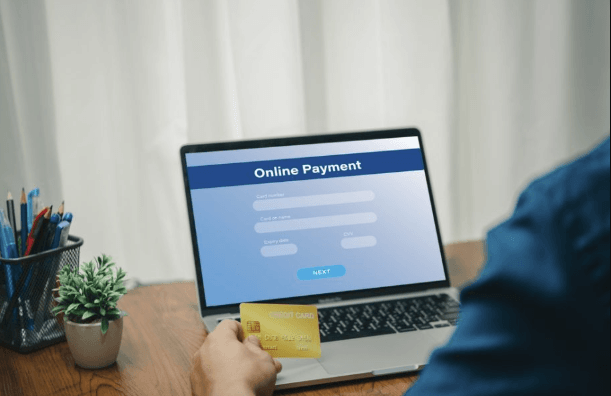
Secure online transactions rely on encrypted networks, tokenization, and layered defenses that protect data in transit and at rest. Continuous risk assessment and auditable trails enable accountability and compliance, while strong authentication and trusted channels limit exposure. Merchants and customers benefit from transparent practices and disciplined data retention, creating a resilient payment ecosystem. The interplay of controls and monitoring invites scrutiny of current safeguards and invites further exploration of how defenses adapt to emerging threats.
How Secure Online Payments Work Behind the Screens
Online payments operate through a layered set of security controls that protect data as it travels from the user to the merchant. The system relies on encrypted networks and proactive monitoring, ensuring integrity and confidentiality. Tokenization basics replace sensitive credentials with references, reducing exposure. Processes maintain auditable trails, while constant risk assessments adapt defenses to evolving threats, preserving user autonomy and data sovereignty.
Choose Payment Methods That Guard Your Data
Choosing payment methods that guard data requires evaluating how different options handle credential storage, transaction encryption, and fraud defenses. A detached analysis highlights data privacy implications, emphasizing robust tokenization security and minimized exposure. Metadata handling practices influence risk posture, while merchant verification processes determine legitimacy. The audience seeking freedom benefits from transparent disclosures, standardized protections, and verifiable compliance to sustain trust and reduce unintended data leakage.
Protect Your Accounts: Authentication and Best Habits
To extend the focus from data-protective payment choices, this section examines how user authentication and daily security practices shape account resilience.
The analysis identifies robust credentials and proactive habits as core defenses, reducing risk exposure.
It emphasizes layered controls, routine audits, and mindful access behavior, enabling freedom through reliable access, while two word ideas1, two word ideas2 remain central to sustaining resilient accounts.
Spot and Avoid Payment Scams Online
Spotting payment scams online requires an analytic approach that distinguishes legitimate requests from deceptive prompts. The analysis identifies patterns: urgent deadlines, unusual payment methods, and requests to bypass security steps. Readers should trust official channels, verify recipients, and review recent transaction prompts for inconsistencies. Spot scams early, document suspicious activity, and recognize payment red flags to protect autonomy and finances.
Frequently Asked Questions
How Can I Verify a Site’s SSL Certificate Quickly?
To verify SSL indicators quickly, one should check certificate validity and verify SSL indicators such as the padlock and issuer details; the process is analytical and proactive, supporting a freedom-minded user seeking clear, immediate assurance of site trustworthiness.
Do Mobile Wallets Offer the Same Protection as Desktops?
Mobile wallets offer comparable protections to desktops in many scenarios, though threat models differ; encryption standards are robust, yet device-level security and platform updates influence risk, requiring ongoing, proactive assessment rather than a static desktop comparison.
Are_Getting_A_Physical_Card_Necessary for Online Payments?
Yes, a physical card is not strictly necessary for online payments, but it enhances card security; merchants often require verification, and proactive protections remain essential, as competitors and fraudsters continually test merchant verification and user authentication for freedom-minded users.
See also: Secure Login Systems for Apps
What Should I Do if I Suspect Card Cloning?
If suspicious of card cloning, one should activate fraud detection alerts and promptly notify the issuer; implement security best practices, monitor statements, and request card replacement. Proactive steps minimize risk while preserving user autonomy and financial security.
Can Recurring Payments Be Safely Canceled or Paused?
Recurring payment cancellation and pausing safety are feasible with bank controls and provider settings; a proactive review minimizes risk, and proper documentation aids disputes. The approach emphasizes caution, transparency, and user autonomy in managing recurring charges.
Conclusion
In the grand theater of online payments, security plays the earnest understudy who never gets the spotlight but every scene hinges on. Tokenization, encrypted channels, and auditable trails choreograph a relentless defense, while users cozy up to strong authentication and vigilant habits. Yet complacency sneaks in like a clown with a phantom badge. The curtain never truly falls; constant risk assessments must rehearse anew, ensuring trusted, transparent, and resilient transactions—before the next act leaves wallets empty.