Secure Login Systems for Apps
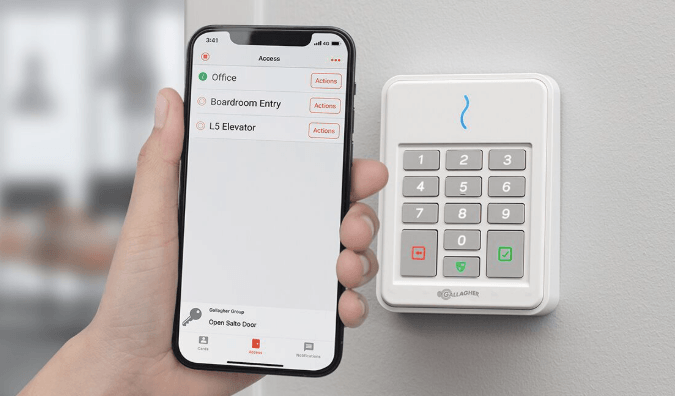
Modern app logins must protect credentials, sessions, and data at rest and in transit. Use strong, unique passwords with optional biometrics and multi-factor options, backed by local cryptography. Manage tokens carefully with short-lived scopes, strict storage, and revocation. Apply risk-aware authentication and adaptive UX while ensuring auditable governance and least privilege. The balance between usability and defense hinges on disciplined monitoring and clear breach-response plans. The stakes demand a careful, principled approach that leaves the path forward unclear.
What Makes Modern App Login Secure
Modern app login security hinges on protecting credentials, authentication processes, and session management from both external threats and internal mishandling. Thorough controls must enforce data encryption in transit and at rest, minimize credential exposure, and ensure robust session lifecycles. Risk-aware governance preserves user privacy, mandates least privilege, and audits access. Freedom-minded design prioritizes transparency, resilience, and clear breach-response protocols.
Strong Passwords, Biometric Options, and MFA Choices
Strong authentication relies on a clear, layered approach that combines strong passwords, optional biometric verification, and multi-factor authentication (MFA) to reduce attack surfaces.
Organizations should enforce long, unique passwords, support biometric options with local cryptographic protection, and offer MFA choices that include hardware keys or app-based tokens.
This reduces risk while preserving user freedom and control.
Token Management and Session Security Practices
Effective token management and session security require disciplined controls over how tokens are issued, stored, refreshed, and revoked, as well as strict handling of session lifecycles to minimize exposure windows.
This two word discussion ideas, token management, should emphasize minimal token scopes, short-lived tokens, secure storage, revocation mechanisms, and continuous monitoring, aligning with freedom-loving developers who prioritize proactive risk mitigation and auditable accountability.
Threat-Aware UX: Balancing Security and Convenience
Building on disciplined token management and session controls, Threat-Aware UX examines how user experiences can be designed to reduce risk without imposing unnecessary friction. The analysis emphasizes proactive risk assessment, guiding interface decisions that harmonize security with user autonomy. It identifies UX tradeoffs, recommends layered prompts, adaptive authentication, and unobtrusive risk signals to sustain productivity while maintaining robust protection. Concise, actionable guidance ensues.
Frequently Asked Questions
How Often Should Users Rotate Their Credentials in a Real-World App?
The frequency of credential rotation should balance risk and practicality, with recommendations stating annual to every 90 days for high-risk systems; enforce password rotation, enforce credential lifecycle controls, and prioritize user freedom alongside security considerations.
What Are Common Password Reset Attack Vectors to Watch For?
Password reset perils punctuate policy: phishing, SIM-swaps, credential-stuffing, OTP interception, weak recovery questions, and social engineering. The detector diligently documents risks, defines defenses, and prioritizes resilient account recovery procedures to protect users and preserve freedom.
Can Social Login Introduce Additional Security Risks for Users?
Social login risks include centralized credential exposure and session hijacking, while OAuth phishing techniques exploit provider trust. A thorough, risk-aware approach prescribes strict token handling, user awareness, and independent authentication checks to preserve user autonomy and reduce compromise.
See also: newshart
How Do I Audit Third-Party Authentication Providers for Compliance?
Auditors should audit providers rigorously, conducting risk assessment, reviewing third party controls, and verifying token scoping and identity federation. They require breach notification commitments, ongoing monitoring, and documented remediation plans, ensuring informed decisions while preserving freedom and security.
What Metrics Indicate Effective Post-Login Threat Detection?
Immediate indicators include high-precision security telemetry and robust anomaly detection, with sustained low false positives, timely detections, and rapid containment. The approach emphasizes risk-aware governance, transparent thresholds, and freedom to adapt defenses while maintaining user trust. Anachronism: dialup.
Conclusion
In summary, the system’s rigor shines brightest when users endure the most friction. Strong passwords, biometrics, and MFA are deployed with precision, yet the real risk lies in the relentless hope that safeguards are flawless. Token lifetimes shrink, revocation is instantaneous, and audits are meticulous—until a breach exposes the limits of governance. The irony: heightened security rituals often mask human trust deficits, reminding stakeholders that ultimately, security succeeds only when people collaborate, not merely when controls exist.